Model Town, PanipatSince 2002 · Ages 2 to 6

Small WondersKindergarten

Where Small Wonders began in 2002, and where Panipat’s sharpest young learners have started since. Play, wooden gifts and a great many questions build the thinking that serious education runs on.

Where
Model Town, Panipat
Since
2002
Ages
2 to 6 · Early Years to EY3
Next
Infinia World School

What we believeA child who is playing is working. The wooden gifts are simply the work made small enough to hold.

The idea · The First Gifts

The First Gifts.

At Small Wonders, learning starts with a question, not an answer. Long before a child can read, we hand them a shape, a ball, a box of blocks, and give them the room to work out what happens.

Every gift starts the same cycle our learners will use for the rest of their school life, at Infinia and beyond: wonder, find out, make sense of it, and act. Open each gift below and try it yourself.

Gift 1Tuning in

A soft ball.

The first gift is a soft ball on a string. Before any lesson begins, there is a child watching a ball swing away and wondering why it always comes back.

In our classroom

  • Circle time starts with an object, not an answer: a shell, a seed, a ball.
  • Colour hunts around the school, one colour at a time.
  • Music and movement every day: swinging, rolling, catching.

Ask your child tonight“What happens if you pull two?”
Gift 2Finding out

A sphere, a cube, a cylinder.

The second gift is three shapes, and children soon find that each behaves differently. One rolls. One stays put. One does both, depending on how you hold it. Nobody tells them. They find out.

In our classroom

  • Ramps, balls and blocks: which one gets to the bottom first?
  • Sand and water play: what floats, what sinks, what fills.
  • Learners guess first, then test, then say what happened.

Ask your child tonight“Which of your toys can roll? Which can’t?”

Gift 3Sorting out

One cube, made of eight.

The third gift is a cube that comes apart into eight little cubes. Take it apart, count it, build two towers, put it back. However you arrange it, eight is always eight. That is where number begins.

In our classroom

  • Counting and sorting with real things long before numbers on paper.
  • Patterns everywhere: beads, blocks, claps and colours.
  • Learners explain how they sorted, not just what they got.

Ask your child tonight“Can you make eight out of two fours?”

Gift 4Going further

Sticks and rings.

Later gifts were flat: little sticks and half-rings laid out on the table. A child who can make a house from six sticks is one small step from making letters. Lines and curves become an A, an S, a W.

In our classroom

  • Early writing through shapes: laying, tracing and drawing lines and curves.
  • Letters and sounds met through stories, rhymes and songs.
  • A child’s own marks are treated as their first writing.

Ask your child tonight“Which letters can you make with only straight lines?”

Gift 5Taking action

Blocks, and a school to build.

The fifth gift is a box of building blocks. Alone, a child builds a tower. Together, children build a town, argue about the roof and agree on a door. That is taking action: using what you know to make something real, with other people.

In our classroom

  • Block play every day, alone and in teams.
  • Small projects that end in something real: a class shop, a garden bed, a show for parents.
  • Learners plan, build, look back, and make it better.

Ask your child tonight“What would you build with a thousand blocks?”

Gift 1 of 5

A place your child learns to take turns

Model Town · ages 2 to 6 · since 2002

Our classes

Early Years, one, two and three.

Four steps, from the first goodbye at the gate to the first day of Grade 1. Each one gives the child something the last one made possible.

  1. Ages 2 to 3

    Early Years

    Holds it, and tries again

    • Rolls the first ball and waits for it to come back
    • Carries their own bag to their own shelf
    • Paint on both hands, and no hurry about it
  2. Ages 3 to 4

    Early Years 1

    Names what they are doing

    • Builds a tower, knocks it down, works out why it fell
    • Names the shapes in the box before the teacher does
    • Asks the same question twice, and listens the second time
  3. Ages 4 to 5

    Early Years 2

    Sorts it, counts it, explains it

    • Sorts the eight cubes four different ways and says why
    • Finds the letters of their own name in other words
    • Keeps one build going across three mornings
  4. Ages 5 to 6

    Early Years 3

    Plans it first, then builds it

    • Draws the plan, then makes the thing match the plan
    • Reads a short book out loud to a younger learner
    • Tells the class what they changed, and what happened

Teachers and care

Every learner, known by name.

Our teachers are trained in early years, and the part of the job we hire for is noticing what each child does.

  • Settling in, gently

    A plan written for each new child: short first days, the same face at the gate every morning, and a call home whenever it would help.

  • One teacher, one table

    Small groups at each table, so every child is seen and nobody watches from the edge.

  • What we noticed

    At home time you hear what your child worked out, not a list of what the class did.

Safe and well

  • Known faces at pick-up

    Children go home only with the grown-ups you have named.

  • Watchful rooms

    CCTV in classrooms and play areas.

  • First aid on site

    Staff trained in first aid for young children.

  • Clean and child-sized

    Washrooms, basins and furniture built for small people.

  • Safe travel

    School transport with a woman attendant on board.

  • Healthy tiffins

    Guidance for parents, and no junk food at school.

Our spaces

Made for small people.

Low shelves, open boxes, and every gift where a two-year-old can reach it without asking. Five places a morning moves through.

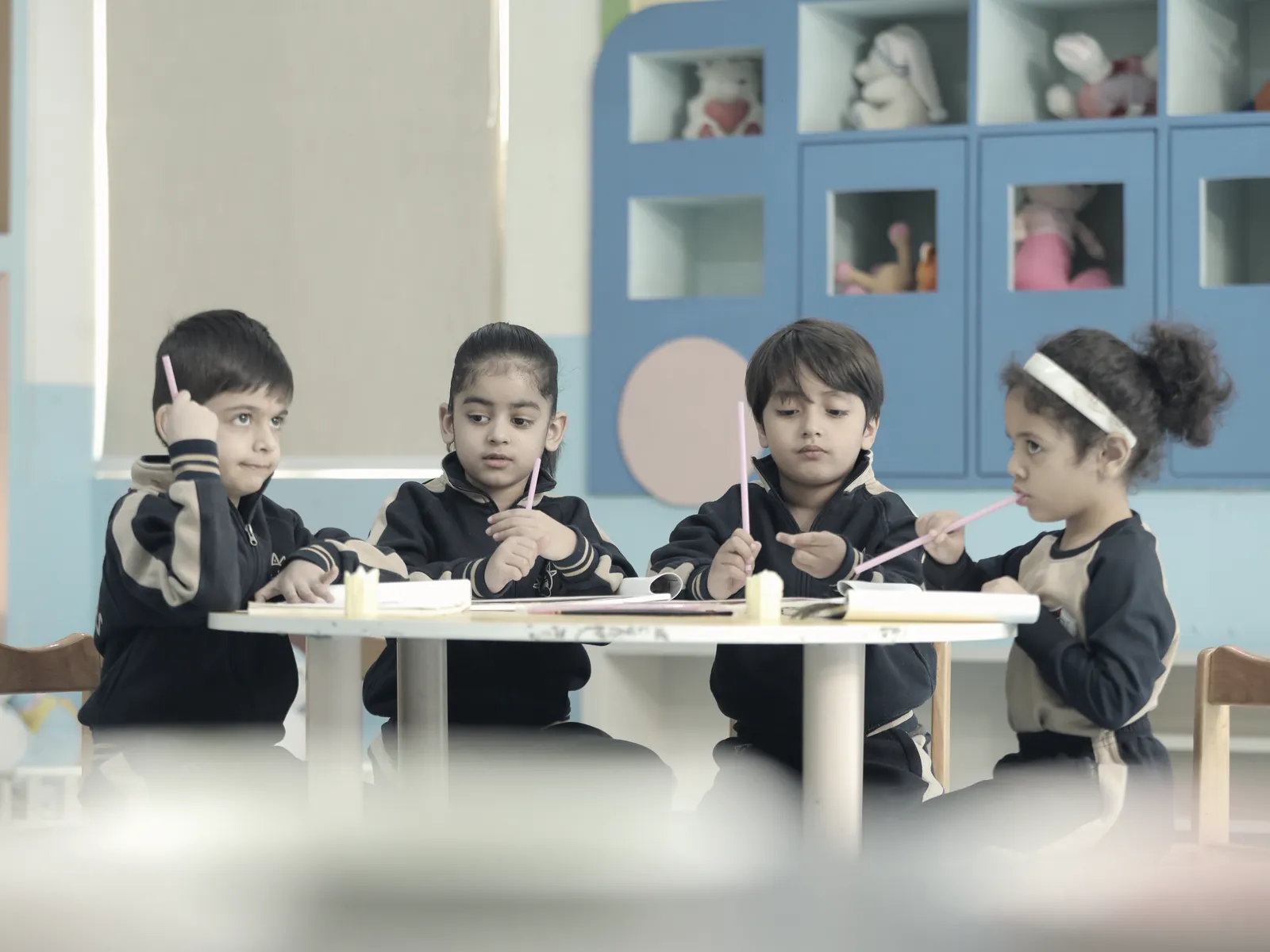
Four learners at a low round table in a Small Wonders classroom, drawing, with soft toys on the shelves behind them.
01ClassroomsWhere the morning circle happens, and where the gifts come out of their boxes.
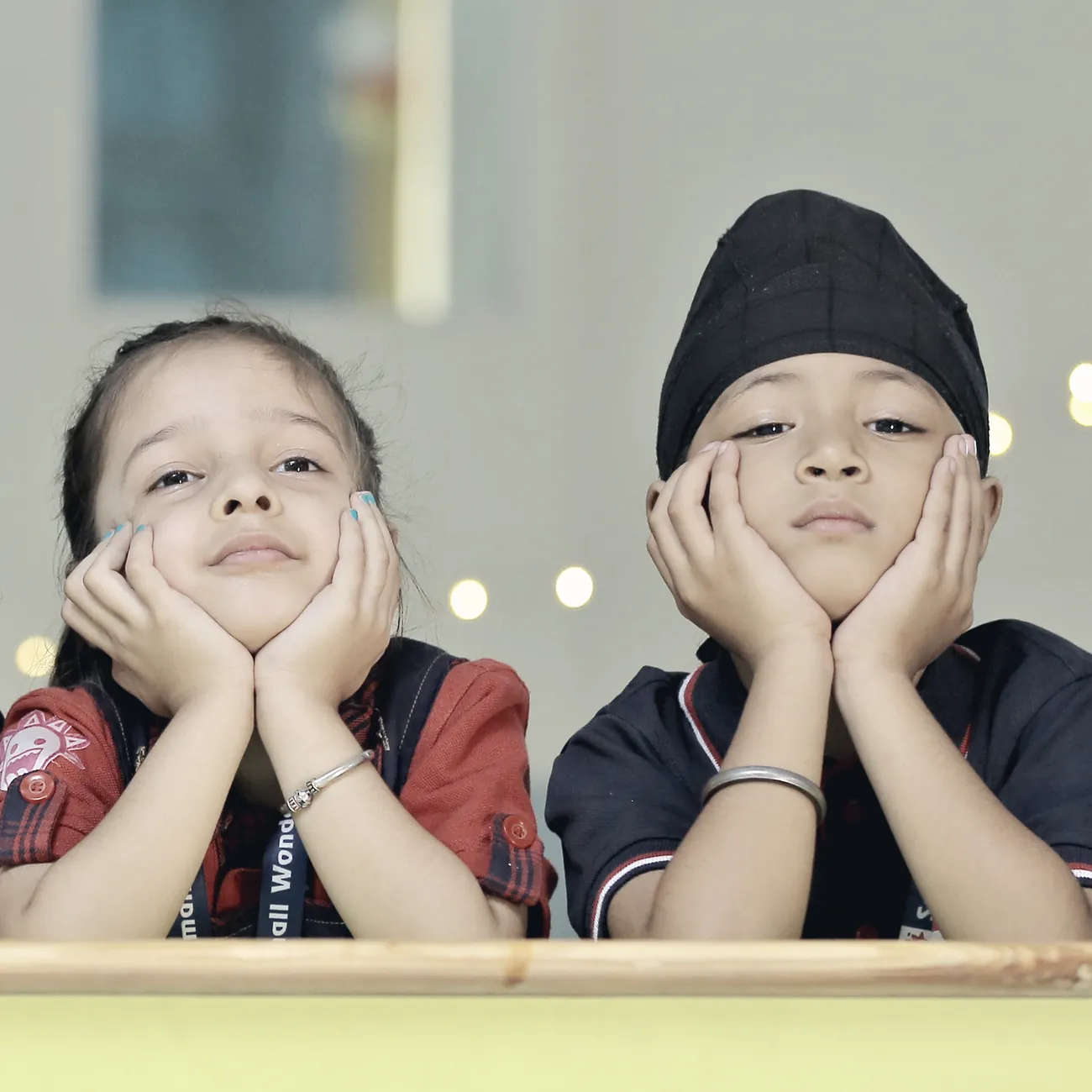
Four learners resting their chins on their hands at a low table, waiting for a story.
02The long tableWhere the morning circle gathers, and where a story is read before home time.
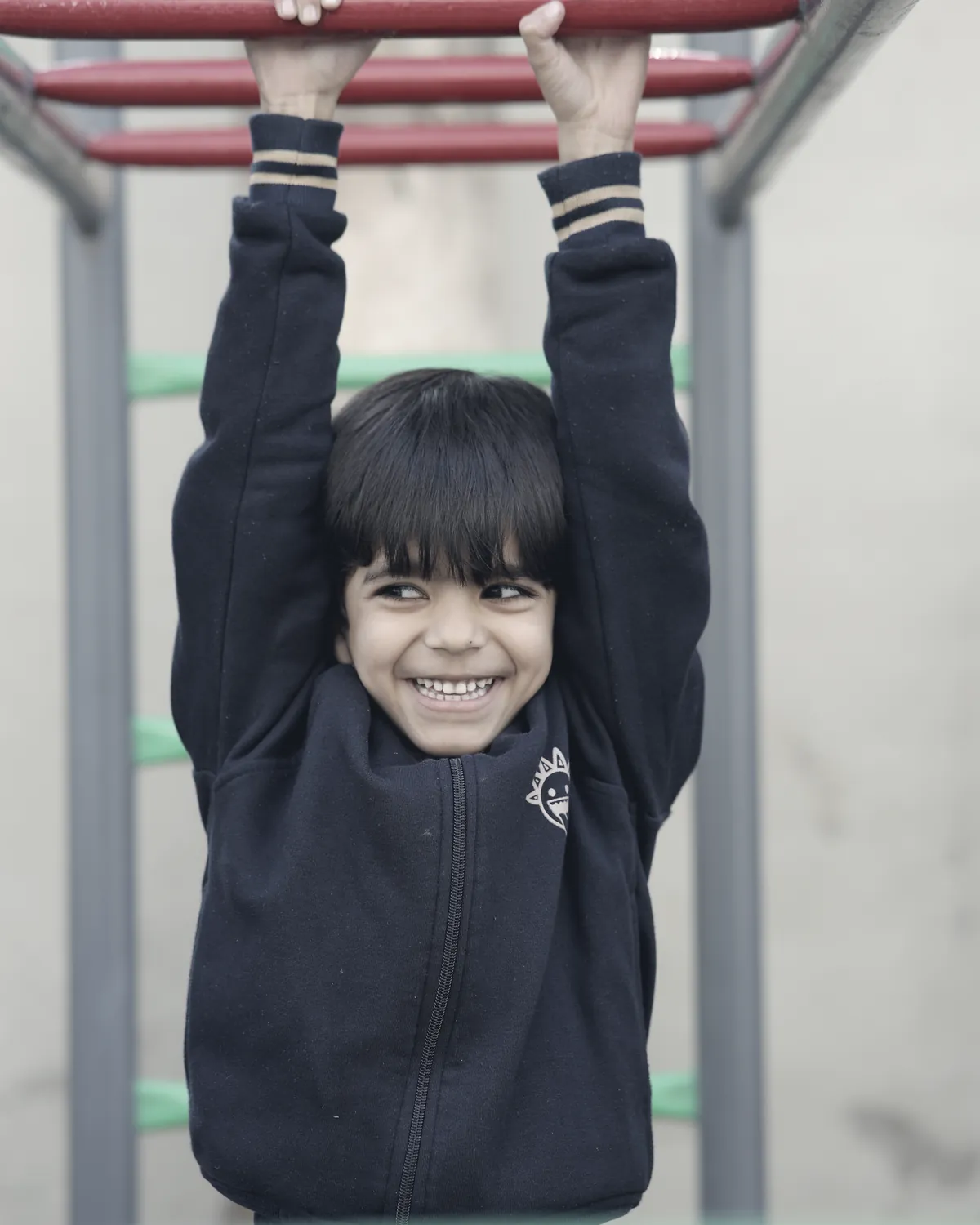
A learner hanging from the climbing frame in the play area, grinning.
03Play areaClimbing, balancing, and a great deal of negotiation.
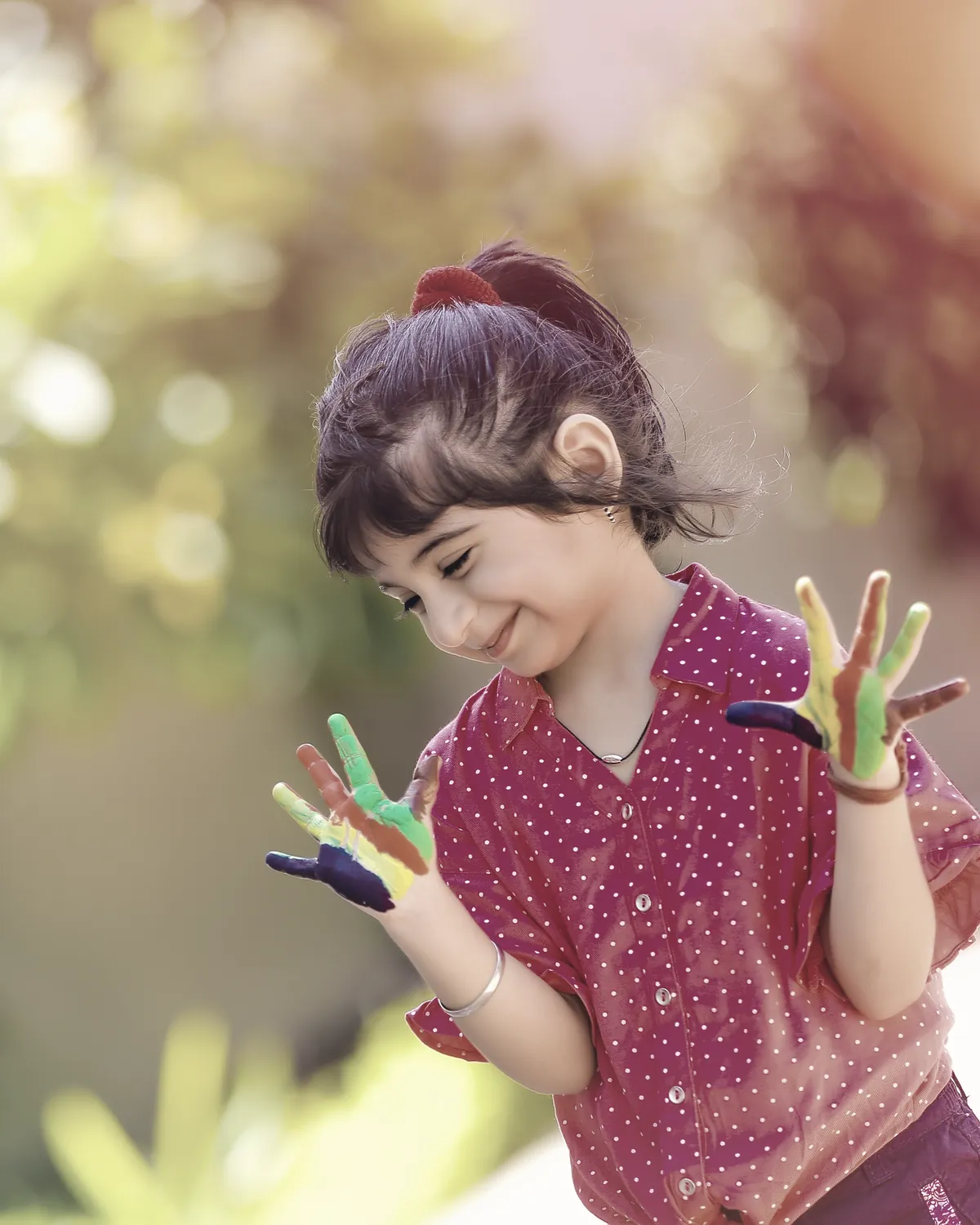
A learner looking at her own hands, painted in every colour.
04Art and makingPaint, clay, glue, and the occasional mess we are glad about.
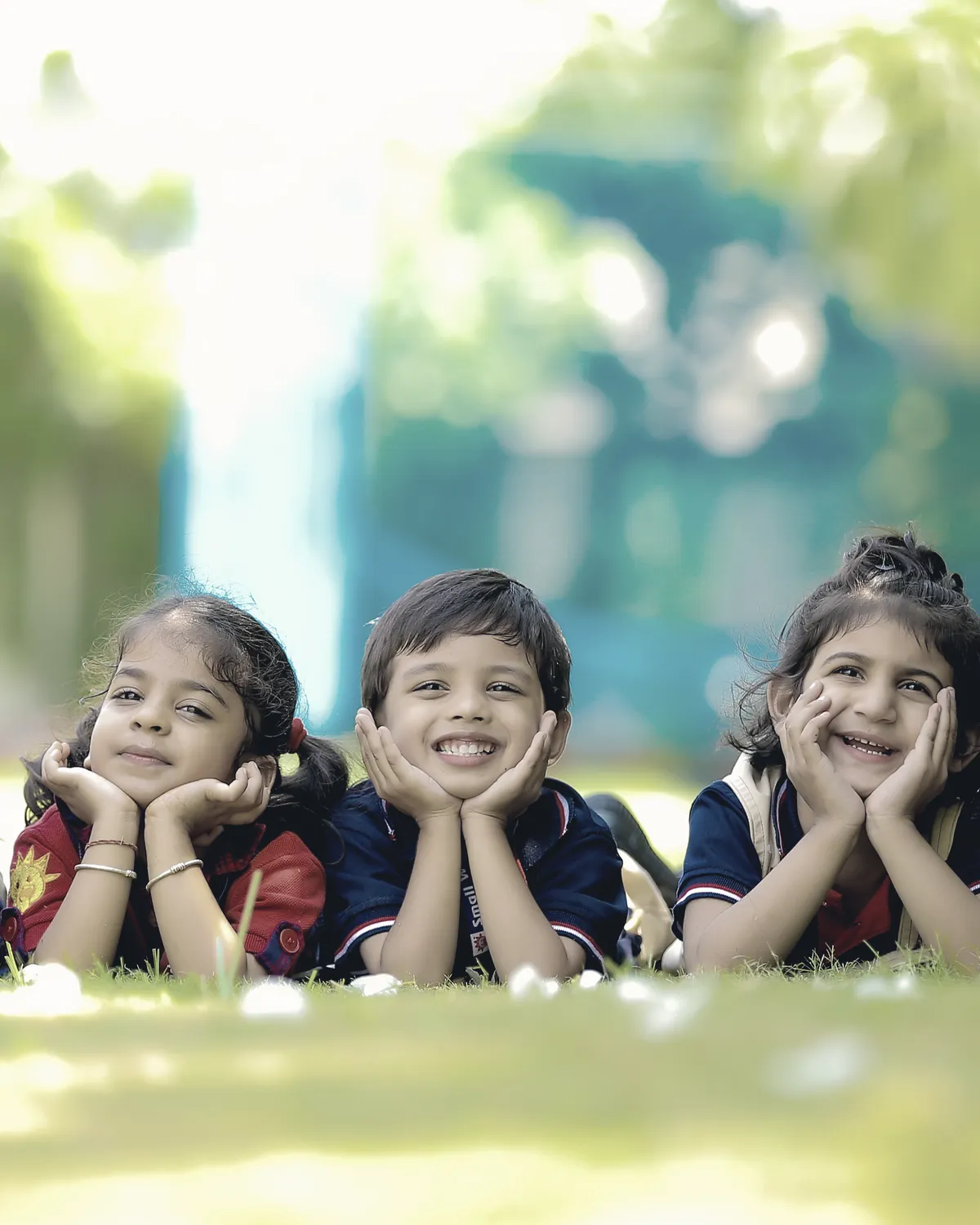
Five learners lying on the grass outdoors, chins on their hands.
05The gardenGrass underfoot, room to run, and somewhere to lie down and talk.

What families ask

The questions parents actually ask.

  1. 01

    Will she cry at drop-off?

    Many children do at first, and it is normal. The same teacher meets your child at the gate every morning, the first days are short, and we call home whenever it would help.

    Small Wonders · Model Town
  2. 02

    Is it all just play?

    Play is how children this age learn. Behind every ball, block and shape is a question: why does it roll, how many, what happens next. Teachers watch and ask, so the learning happens without feeling like a lesson.

    Small Wonders · Model Town
  3. 03

    What will my child actually learn?

    How to wonder, find out, make sense of it and act, the cycle they will use for the rest of school. Along the way come numbers, shapes, early letters and sounds, through play, songs and stories.

    Small Wonders · Model Town
  4. 04

    Will he be ready for Grade 1?

    Ready does not only mean reading. It means curious, able to stay with a question, and happy to ask for help. Our learners leave EY3 knowing how to wonder, find out and try again.

    Small Wonders · Model Town
  5. 05

    How is Model Town different from the other two?

    Model Town is where Small Wonders began in 2002. It starts with simple things a child can hold, a ball, a shape, a box of blocks, and lets them work out what happens. Ikigai and Kaizen teach the same way, each with its own focus.

    Small Wonders · Model Town
  6. 06

    Can we join partway through the year?

    Often, yes, if there is a place. Call or message us and we will tell you. A new child gets a gentle start and a teacher who learns their name on the first day.

    Small Wonders · Model Town

Admissions

Joining Kindergarten, in four steps.

  1. 1

    Visit

    Book a visit and spend a morning with us. See the rooms, meet the teachers, watch a class.

  2. 2

    Meet

    A short, relaxed conversation with the head, while your child plays.

  3. 3

    Apply

    Fill in the form and share a few documents. We will guide you through it.

  4. 4

    Settle in

    A gentle start: shorter days in the first week, and a teacher who already knows your child.

Request a visit

Come and see a morning in class.

We use this only to arrange your visit. Or skip the form: WhatsApp us.

Practical questions

What ages do you take?

Two to six. Early Years from age 2, then EY1, EY2 and EY3. We have been taking children at this age in Model Town since 2002.

How do new learners settle in?

Gently, and with a written plan for each child. Shorter days at first, the same teacher at the gate every morning, and a call home whenever it would help. Most are settled within a few weeks.

How do you teach?

Through the gifts, and through inquiry. A child is given an object, asked a question about it, and left to find out. Wonder, find out, make sense of it, act: the same four moves they will meet again at Infinia.

What happens after Early Years 3?

They go on to Grade 1. Many of our families choose Infinia World School, the only IB World School within 100 km, which teaches the IB programmes from Early Years through to Grade 8.

How do I book a visit?

Message Model Town on WhatsApp, or call. The number is just below.

Visit Small Wonders Kindergarten

Model Town, since 2002.

Where Small Wonders began, as the first kindergarten of its kind in Panipat. In 2007 it became the first kindergarten authorised by the state of Haryana, and it has been named best pre-school of the year four times.

Call or WhatsApp702 740 1201
Address
Model Town, Panipat
Ages
2 to 6
Opened
8 September 2002

After the gifts

A ball at two. An inquiry at seven.

The child who pulls a ball to see what happens is the same child who, a few years later at Infinia, asks how Panipat should be planned. Same cycle. Bigger questions.

  1. Ages 2 to 6Small Wonders KindergartenWonder, play, find out
  2. Grades 1 to 8Infinia World SchoolIB Primary and Middle Years, all the way up
See the inquiry cycle at Infinia

Two more ideas

The other Small Wonders kindergartens.